Welcome to the mystical world of witchcraft! Whether you're a curious soul or someone seeking spiritual development, understanding the diverse paths within witchcraft can be both enlightening and inspiring. At Witch Please, we strive to offer guidance and resources for every budding witch.
What is Witchcraft?
Witchcraft is a broad term that encompasses various practices and belief systems, often centered around nature, spirituality, and personal empowerment. It’s a path that allows individuals to connect with their inner selves and the energies of the universe.
Different Witchcraft Practices
1. Wicca
Wicca is perhaps one of the most well-known modern witchcraft practices. It is a neopagan, nature-based religion that celebrates the cycles of the moon and the seasons. Practitioners, known as Wiccans, often work with deities and celebrate Sabbats through rituals and ceremonies.
2. Green Witchcraft
Green witchcraft, also known as herbalism, focuses on the healing properties of plants and working with the energies found within nature. Green witches use herbs, flowers, and the rhythms of the earth to create remedies and rituals for healing and personal growth.
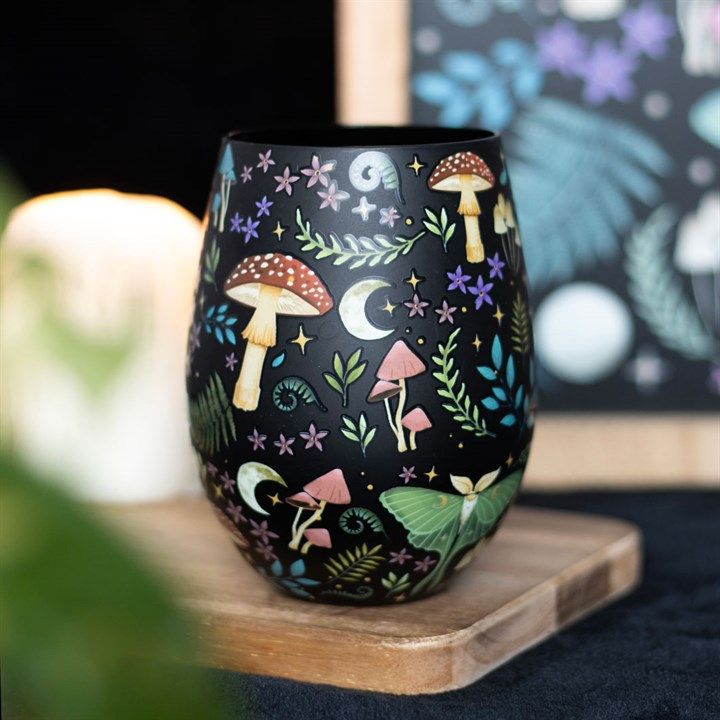
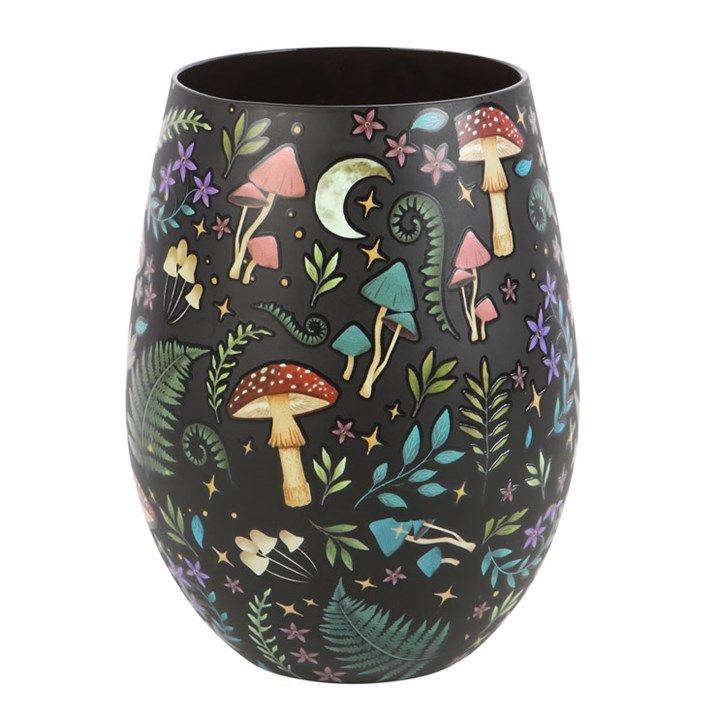
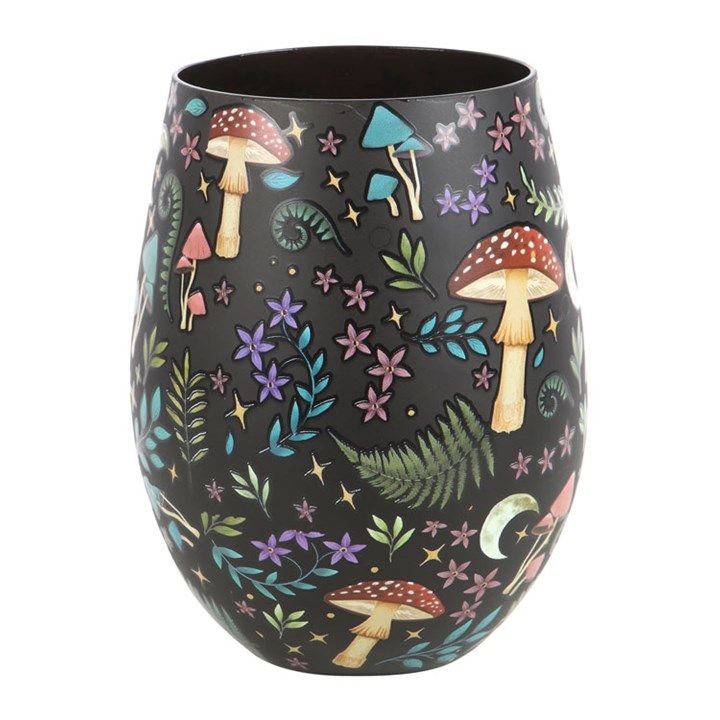
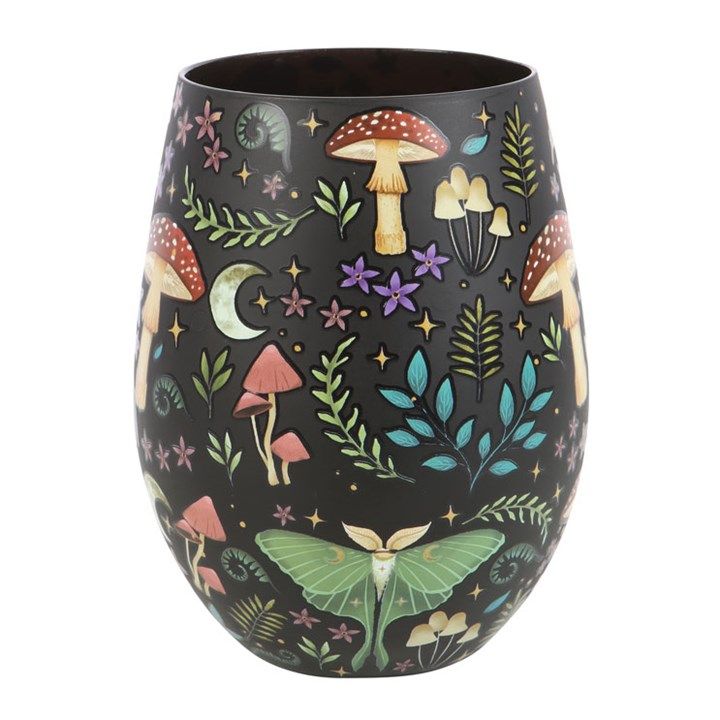
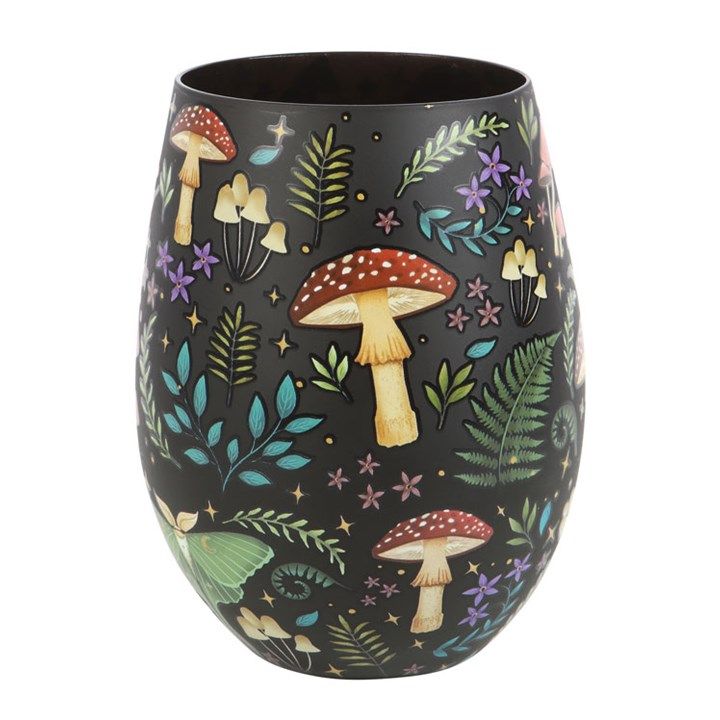
Check out our Luna Bloom Floral Print Stemless Glass for your next herbal tea ritual!
3. Kitchen Witchcraft
Kitchen witches bring magic into their everyday lives through cooking and household activities. This path incorporates magical intentions into the preparation of meals and use of kitchen tools. It's about the magic of things 'blooming' — be it bread rising or flavors blending.
If you're curious how this can work out practically, you might find inspiration in articles like Top 10 Witchcraft Tools Every Modern Witch Needs.
4. Traditional Witchcraft
Traditional witchcraft varies from region to region and is often based on folk beliefs, customs, and practices passed down through generations. It differs from Wicca in that it may not follow the same religious structures or deity worship but instead focuses on local folklore and personal spiritual experiences.
Many find the rich history of this practice fascinating, and for a deep dive, our article on Exploring the History of Witchcraft Through the Ages may be just what you need.
5. Divination
Divination is the practice of seeking knowledge of the future or the unknown through various tools like tarot cards, runes, or pendulums. It's a way to receive guidance from the universe or one's own subconscious.
Overcoming Challenges in Witchcraft
Starting a new spiritual path can be daunting, and witchcraft is no exception. Many beginners face common challenges, including understanding complex symbols, tools, and rituals. Read our article on Common Witchcraft Challenges and How to Overcome Them to help navigate these early hurdles.
Store Your Mystical Tools
As you embark on your witchcraft journey, having a place to store your magical tools and resources is essential. Consider our The Raven Book Shaped Storage Box for a unique and functional way to keep your precious items safe.
Embarking on a journey into witchcraft can be a life-transforming experience. By exploring different paths, tools, and challenges, you nurture your intuitive powers and deepen your connection with the world around you. For more insights and tools to aid on this spiritual path, explore the offerings at Witch Please.
FAQs
What is witchcraft?
Witchcraft is a practice that encompasses a variety of traditions, beliefs, and rituals centered around harnessing natural energies, ancestral wisdom, and personal intuition. It often involves the use of spells, herbalism, and connection with the elements.
What are the main types of witchcraft?
The main types of witchcraft include Wicca, Green Witchcraft, Kitchen Witchcraft, Hedgewitchery, and Ceremonial Magic. Each type has its unique focus, rituals, and philosophies, catering to different practitioners’ interests and beliefs.
Do I need to follow a specific tradition to practice witchcraft?
No, you do not have to follow a specific tradition in witchcraft. Many practitioners create their own paths by combining elements from different traditions that resonate with them, allowing for a personalized approach to their practice.
Can anyone practice witchcraft?
Yes, anyone can practice witchcraft regardless of their background, beliefs, or experience level. It is essential to approach it with respect, an open mind, and a willingness to learn.
How can I start learning about witchcraft?
You can start learning about witchcraft by reading books, attending workshops, or following online communities. Exploring various resources will help you discover different practices and find what resonates with you.
Is witchcraft a religion?
Witchcraft can be a part of various religious practices, but it is not a religion by itself. Many witches identify with spiritual paths like Wicca or other nature-based religions, while others practice witchcraft as a secular craft.
What tools do I need for witchcraft?
While the tools can vary based on individual practices, common tools include a wand, cauldron, altar, candles, crystals, and herbs. However, many practitioners emphasize that intention and energy are more important than the tools themselves.
Is witchcraft harmful?
Witchcraft is not inherently harmful; it is largely based on the practitioner's intentions. Most practitioners aim to promote positivity, healing, and personal growth, avoiding harm to others as a fundamental principle.
Can I practice witchcraft alone?
Yes, many people practice witchcraft solo, often referred to as solitary practitioners. This allows for more freedom to explore personal beliefs and practices, but group settings, like covens, can also provide support and community.